

Winter Storm Fern disrupted daily life for millions of Americans and underscored how deeply winter weather affects safety, mobility, and the national economy. Snow and ice impacted more than three dozen states, closing roads, grounding flights, and leaving more than one million households without power. Thousands of crashes were reported, businesses shut down, and entire regions became temporarily isolated. Early estimates place the economic toll above $100 billion, with costs continuing to rise as repairs and insurance claims are tallied.
Why this matters: Winter storms do not respect state lines, and when critical roads fail, the effects ripple nationwide, putting lives at risk, disrupting supply chains, and weakening economic resilience.
From Texas to New England, Fern brought heavy snow to the northern states and crippling ice to regions less accustomed to prolonged freezing. Roads became impassable, emergency crews worked around the clock, and recovery was slowed by extreme cold. At the storm’s peak, more than half of the contiguous United States was covered in snow.
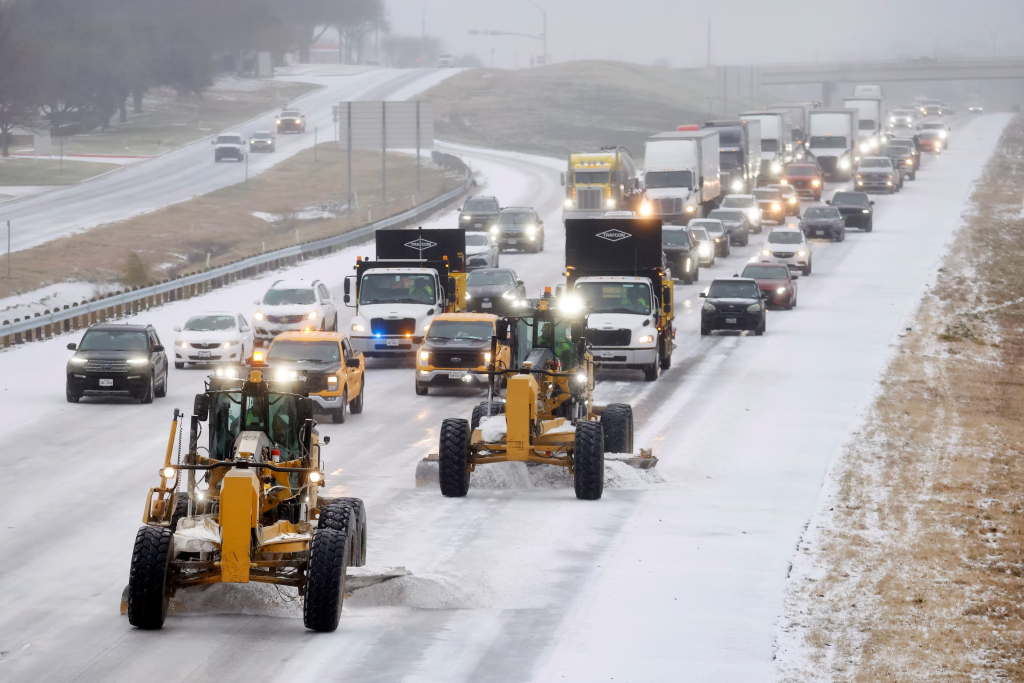
Yet the response across the country was remarkable. Winter maintenance professionals, first responders, and local leaders stepped up under demanding conditions. In places like Texas, crews adapted quickly to unfamiliar roles as snow fighters, while communities came together to keep people safe and restore access. These efforts saved lives and limited further disruption.
Winter Storm Fern also offers an important opportunity to strengthen the nation's preparedness and response to severe winter weather. While winter road maintenance is managed at the state and local level, its impact is national. Transportation networks do not stop at state lines, and decisions made in one region can affect safety, freight movement, and economic activity hundreds of miles away.
Several proven focus areas can help reduce the impact of future storms.
First, education and public awareness are essential. Many winter crashes occur when drivers underestimate road conditions. Clear, timely communication and shared best practices help drivers, freight operators, and communities make safer decisions before and during storms.
Second, proactive road treatment can prevent dangerous conditions before they form. Expanding the use of anti-icing and pre-treatment strategies helps stop ice from bonding to pavement, reducing crashes and keeping roads passable earlier in storm events.
Third, better data enables faster, more precise responses. Road weather sensors, forecasting tools, and connected vehicle data allow agencies to identify trouble spots in real time and prioritize the most critical corridors.
Fourth, strong coordination increases resilience. Mutual-aid agreements and shared response planning help keep plows and treatment crews operating when equipment fails or storms persist for days.
Finally, sustained investment in winter-ready infrastructure pays dividends. Modern fleets, improved drainage, and resilient pavements speed recovery and protect interstate highways and freight corridors that support the national economy.
Winter Storm Fern was more than a powerful weather event. It was a nationwide stress test and a reminder that preparation saves lives, keeps commerce moving, and strengthens communities. By building on what already works and committing to smarter strategies, better coordination, and continued investment, the nation can turn the lessons of Fern into safer roads, stronger infrastructure, and a more resilient future for every winter yet to come.
National News
How Much Snow Did the Winter Storm Bring? See Lists of Snowfall Totals.
CBS News | Jan 26, 2026
A powerful winter storm blanketed much of the U.S. with extreme snowfall, dumping more than 20 inches in multiple states and as much as 31 inches in Bonito Lake, New Mexico, as it swept from the South and Midwest into the Northeast. Parts of Oklahoma, Missouri and Illinois saw around 14 inches, while cities in Pennsylvania topped 20 inches and areas of New York and Massachusetts exceeded 22 inches. Forecasters warned that more snow is still possible across the Midwest and Northeast, as frigid temperatures grip much of the country and threaten record-breaking cold in the days ahead.
Winter Storm Map Shows New Round of Snow Hitting 14 States
Newsweek | Jan 26, 2026
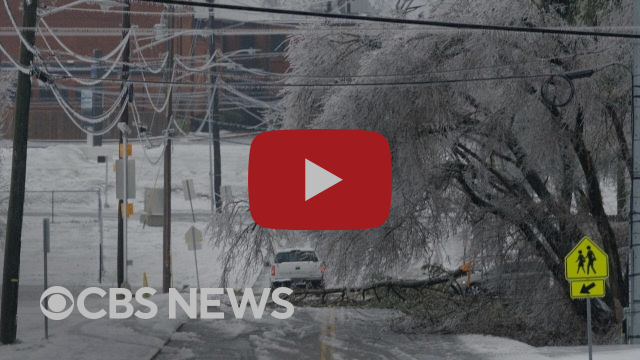
Another wave of winter weather is set to hit at least 14 states as a series of clipper systems follows Winter Storm Fern, bringing an additional 1 to 6 inches of snow through Tuesday night, with the heaviest totals expected in western Michigan and central New York. The affected states stretch from Minnesota and Wisconsin to Maine, many of which are already buried under 12 to 18 inches from the earlier storm that killed at least nine people and left hundreds of thousands without power. Forecasters warn that persistent below-freezing temperatures will limit snowmelt, causing slush to refreeze into dangerous ice and prolonging hazardous travel conditions across much of the Midwest and Northeast into early February.
Winter Storm Fern Could Inflict $100 Billion‑Plus Hit on US Economy
Newsweek | Jan 26, 2026
Experts warn that Winter Storm Fern could become one of the costliest weather disasters in U.S. history, with AccuWeather estimating total economic losses between $105 billion and $115 billion due to widespread damage, power outages, travel shutdowns and supply chain disruptions affecting up to 200 million Americans. The storm has already triggered tens of thousands of flight cancellations, left hundreds of thousands without power and disrupted shipping and cruise operations, while insurers anticipate a surge in claims from burst pipes, roof collapses and vehicle crashes—especially in Southern states unprepared for prolonged freezing temperatures. Forecasters caution that lingering bitter cold could worsen impacts by prolonging outages and turning blocked roads and delayed emergency response into life-threatening conditions.
At Least 40 Dead After Winter Storm Snarls Travel, Severe Ice, Heaviest Snow in Years
AccuWeather | Jan 26, 2026
A massive winter storm swept across nearly three dozen states from Texas to New England, bringing heavy snow, crippling ice, widespread power outages and major travel disruptions, including more than 23,000 flight cancellations nationwide. At least 40 deaths were linked to the storm and Arctic cold, while ice in the South snapped trees and power lines, leaving over 1 million customers without electricity at the peak of outages. In the Midwest and Northeast, snowfall topped a foot in many areas, with New York City recording its biggest single-day snowfall in five years, shutting down roads, transit and schools. By Monday, more than half of the contiguous United States was covered in snow — the second-highest snow coverage in two decades — underscoring the storm’s historic and nationwide impact.
Northeast News
Heavy Snow Blasts Northeast as U.S. Battles Impacts of 'Catastrophic' Ice Accumulation
Yahoo!News | Jan 26, 2026
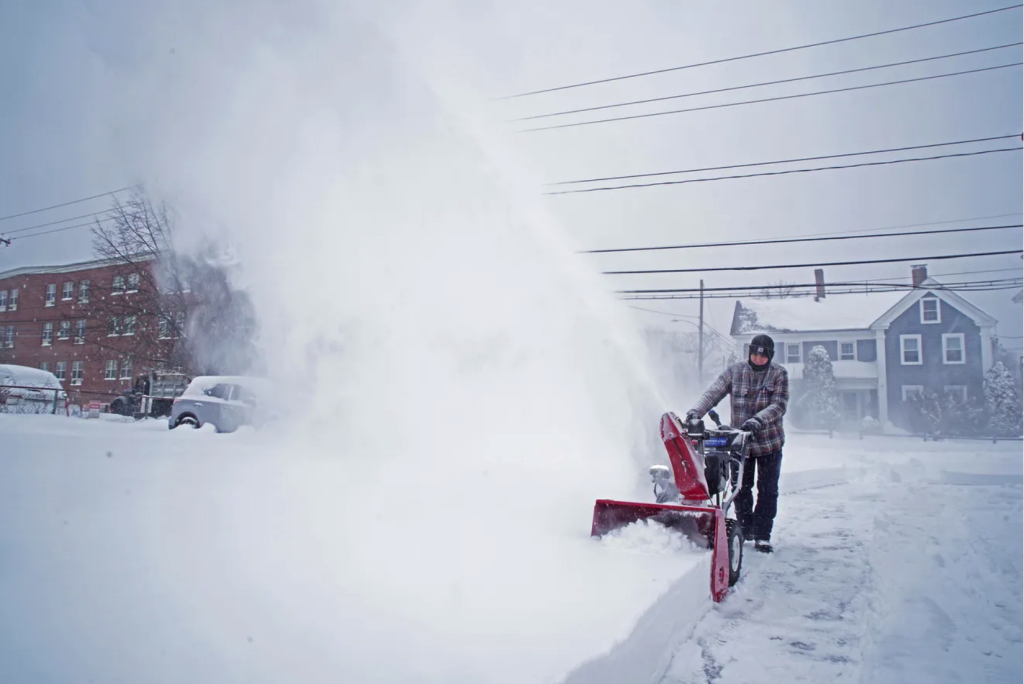
A massive winter storm slammed much of the United States with snow, ice and extreme cold, knocking out power to more than 800,000 homes, canceling over 11,000 flights and making roads impassable across large regions. More than 100 million people were placed under winter storm warnings as subzero temperatures stretched from the Canadian border to the Gulf Coast, straining energy supplies and disrupting travel nationwide. Federal disaster declarations were approved for a dozen states, National Guard troops were deployed in New York, and forecasters warned of prolonged disruptions and potentially catastrophic ice accumulation from the Mississippi Valley to the Mid-Atlantic and Southeast.
Traveling on Monday? Here’s What Mass. Interstates Look Like After 20+ Inches of Snow
Mass Live | Jan 26, 2026
Massachusetts crews continued battling dangerous road conditions after a powerful snowstorm dumped more than 20 inches in parts of the state, leaving some highways slick and travel restrictions in place. Speed limits on major routes like Interstate 90 remained reduced, while thousands of plows were deployed to clear roads as another 1 to 5 inches of snow was forecast through Monday night. Officials urged residents to avoid non-essential travel and drive cautiously, warning that lingering snow and ice could still make driving hazardous despite ongoing cleanup efforts.
Mid-Atlantic News
Pittsburgh Declares State of Emergency as Dozens of Snowplows Break Down
Trib Live | Jan 26, 2026
Pittsburgh Mayor Corey O’Connor declared a state of emergency after a record-breaking snowstorm dumped more than 11 inches on the city, crippling snow removal as 37 of 95 plow and salt trucks broke down from heavy use. The declaration allows the city to hire private contractors to help clear and haul snow, though officials offered no timeline for when all roads will be passable. Across Allegheny County, plowing and staffing challenges prompted multiple disaster declarations, while extreme cold, school closures, transit cancellations and warming shelters underscore the storm’s widespread disruption and ongoing danger. The storm ranks among the most severe in Pittsburgh’s history, with bitter temperatures expected to prolong dangerous conditions.
Columbus Snow Plow Driver Struck, Injured Near Easton
The Columbus Dispatch | Jan 26, 2026
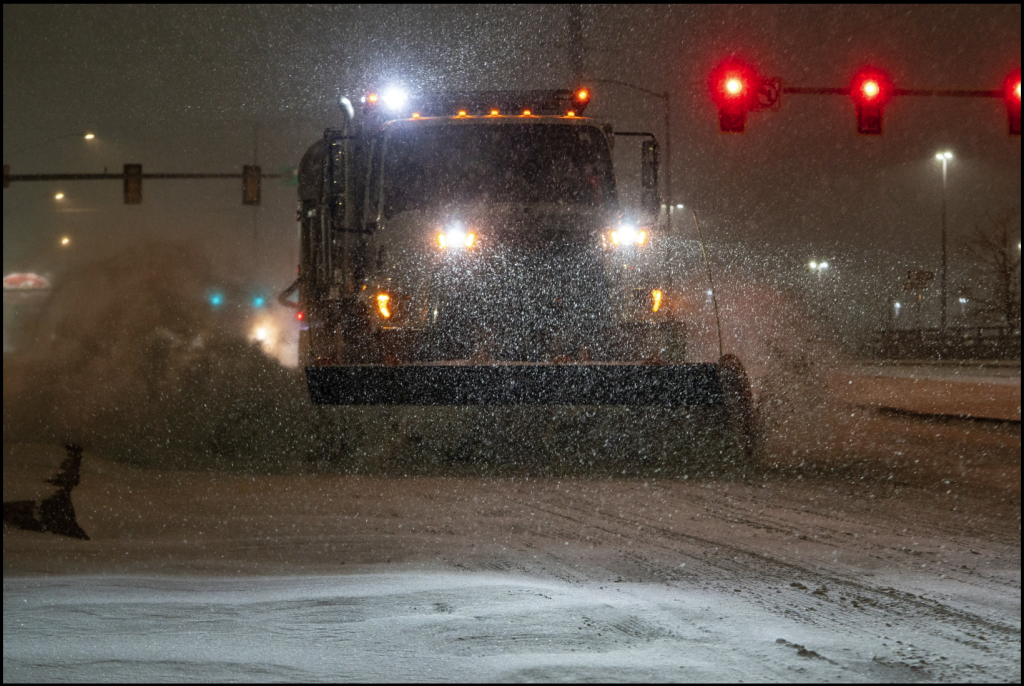
A Columbus city snow plow driver was injured after a private plow illegally passed a traffic-blocking city truck and struck another plow that was turning around, highlighting the dangers crews face during storm cleanup. The driver was treated and is expected to recover as officials reported major progress on road clearing, with nearly all priority one routes already serviced and about 90% of priority two roads addressed. City leaders said primary roads should be passable within 12 to 24 hours, with secondary routes cleared by the end of Jan. 27.
South-Eastern News
Virginia’s I-95, I-395 Express Lanes Closed as Crews Work to Clear Ice, Snow
DCNewsNow | Jan 26, 2026
Virginia’s I-95 and I-395 Express Lanes remained closed Monday after a winter storm left snow and ice on key entry ramps, particularly near the Springfield interchange. Crews have cleared most travel lanes and ramps but officials gave no timeline for reopening, as freezing temperatures turned leftover snow into dangerous ice. The lanes were initially set to reopen early Monday, but icy conditions and more than 300 storm-related crashes across the region forced the closure to continue for safety.
Virginia State Police Responds to 300+ Crashes After Snowstorm Hits Region
DCNewsNow | Jan 25, 2026
Virginia State Police urged drivers to stay off the roads after responding to roughly 440 crashes statewide following a weekend snowstorm that created dangerous travel conditions across the Commonwealth. Dozens of crashes were reported in every region, with multiple injuries and at least one fatal crash in Fairfax County, though officials said it was not storm-related. Troopers and transportation crews continue working to treat and clear roads, warning motorists to avoid unnecessary travel and give plows space as icy conditions persist.
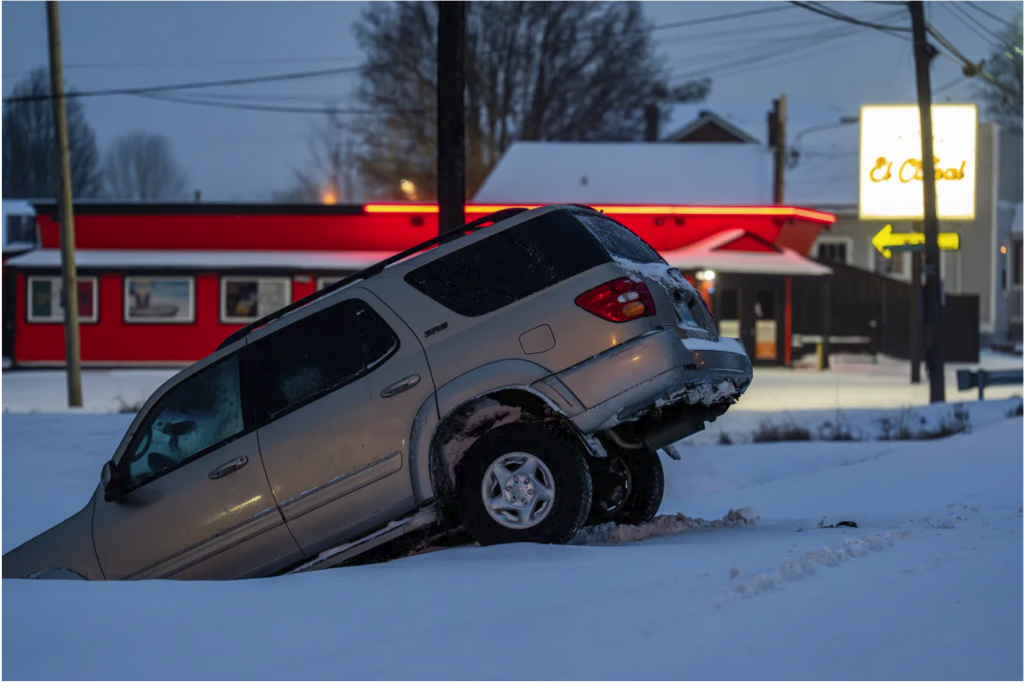
600 NC Crashes During Dangerous Winter Storm; All Roads in 25+ Counties Covered
CBS 17 | Jan 26, 2026
A dangerous winter storm swept across North Carolina, coating thousands of miles of roads with ice, sleet and snow and triggering more than 600 crashes in a 24-hour period, though no fatalities were reported. Roads from the mountains to east of Raleigh were affected, with interstates and secondary routes in at least 25 counties left slick or impassable, forcing closures on major highways including I-26, I-85 and I-95. Crews removed more than 300 abandoned vehicles as officials warned conditions could worsen overnight with refreezing ice into Monday morning.
Brine Truck Crashes, Overturns on I-40 in Durham Amid Icy Road Conditions
CBS 17 | Jan 26, 2026
One major wreck in the early morning hours occurred on Interstate 40 East in Durham as a brine truck overturned on the roadway. It happened close to miler marker 279 near I-885 around 4:45 a.m. One of the eastbound lanes was shut down for a few hours, but the N.C. Department of Transportation reported that I-40 East fully reopened around 7:25 a.m.
1 Dead, 18 Injured in Various Crashes Across Tennessee During Winter Weather
WSMV4 | Jan 26, 2026
Tennessee Highway Patrol reported dangerous travel conditions across the state as a winter storm led to more than 160 vehicle incidents on Saturday, including 34 property-damage crashes, 18 injuries and one fatality in Dyer County, though it is unclear if the death was storm-related. Officials warned that black ice poses the greatest threat to drivers because it is difficult to see and control on roadways, urging motorists to use extreme caution as icy conditions persist.
Stay connected
Follow NCFOR to stay connected with the latest updates, insights, and resources that support safer, more reliable winter travel across the country. Your feedback and story submissions help us spotlight the trends and challenges that matter most and strengthen the nationwide network of professionals dedicated to keeping America’s roads open and safe all winter long.


