

Winter road conditions impact nearly every part of American life. When roads become unsafe or impassable, the effects are immediate. Families struggle to travel safely. Emergency responders face delays. Businesses lose time and productivity. Communities experience disruptions that can ripple for days.
Winter roads are more than a seasonal challenge. They are a national safety system and a critical piece of our supply chain. That is why the National Coalition for Open Roads (NCFOR) exists. Since 2023, NCFOR has worked with transportation stakeholders, industry partners, researchers, and policymakers from across the country with one mission in mind: Safe and Open Roads.
America’s road network is essential to public safety and economic stability. However, winter road maintenance practices can vary widely from state to state, which creates risk. When winter storms hit, reliability matters. The public deserves confidence that major corridors will remain safe and functional, especially routes that support emergency response and the movement of essential goods.
NCFOR’s legislative priorities focus on practical, common-sense solutions that strengthen winter readiness nationwide. These priorities are built around safety, reliability, and resilience, with a focus on helping states, counties, and communities perform at their best when conditions are at their worst.
NCFOR’s Highest Legislative Priorities
- Strengthen service level standards
Support policies that strengthen service level standards so winter road treatment is more consistent, dependable, and effective, especially on major highways and critical corridors that communities rely on during storms. - Support American Salt for American Roads
Support policies that prioritize dependable domestic supply chains for winter maintenance materials, helping ensure communities have reliable access to what they need to keep roads safe and travel moving. - Support trucking and reliable winter delivery
Support policies that help essential winter materials move efficiently during severe weather, allowing timely deliveries and supporting the safe movement of freight, emergency services, and the public during winter conditions. - Strengthen the winter workforce
Support initiatives that strengthen the workforce needed to keep winter roads operational, including recruiting, training, and retaining the skilled people who operate equipment, maintain roads, and respond in real time during storms. - Advance technology and environmentally responsible solutions
Support policies that promote modern tools and more effective deicers to increase winter service levels, improve roadway safety, reduce unnecessary material use, and protect the environment while keeping roads open during severe winter weather.
During the legislative session, NCFOR tracks bills related to these priorities nationwide to help you stay informed about legislation that impacts our mission to keep roads open, people safe, and the economy moving. Our members and partnering organizations make it possible for us to advocate at the State and federal levels. Thank you for your continued support and partnership. Please do not hesitate to share how we can further strengthen our advocacy as we work together towards our common goal.
Sincerely,
Harvey Scott
President
National Coalition for Open Roads
2026 Legislation Watch
New Hampshire House Bill 1810
Rep. William Darby (D)
Last Action: (2026-01-08) To House Ways and Means Committee
New Hampshire’s HB 1810 would create a $4 fee on bulk road salt, salt mixes, and brine sold in the state, with the revenue deposited into a new Road Salt Mitigation Fund. The bill also requires bulk salt sellers to be certified and registered, establishes annual reporting and record-keeping requirements, and authorizes audits and penalties for noncompliance. The money would fund a Road Salt Mitigation Program run by the Department of Environmental Services to educate the public and provide grants to municipalities and businesses that follow certified winter road maintenance practices to reduce salt pollution. Fiscal estimates project the program could generate about $4 million per year starting in FY 2028, while increasing costs for DOT and local governments, with some of those costs potentially offset through grant funding.
New Hampshire House Bill 1607
Slight Partisan Bill (D)
Last Action: (2026-01-14) To House Public Works and Highways Committee
New Hampshire HB 1607 would prohibit storing road salt and other snow and ice control chemicals in ways that could contaminate groundwater or surface water. The bill directs the Department of Environmental Services to create rules for how and where these materials can be stored and managed, with authority to require stricter safeguards in areas already impacted by contamination. It takes effect 60 days after passage and does not include new funding. Fiscal notes estimate state enforcement costs could range from about $10,000 to $100,000 per year, while local governments could face potentially significant costs to upgrade or build compliant salt storage facilities.
New York Bill 9561
Partisan Bill (D)
Last Action: (2026-01-14) Transportation
New York Assembly Bill A09561 would limit the amount of road salt that the state DOT, municipalities, localities, and public authorities can apply during each snow and ice season to an average of 300 pounds per lane mile, with separate limits for parking lots and sidewalks. The bill defines road salt specifically as sodium chloride and would require all spreading equipment to be metered and calibrated. It also requires the DOT to publish online annual public data on its road salt usage. The bill was introduced on January 14, 2026, and referred to the Transportation Committee.
New York Senate Bill S06976
Partisan Bill (D)
Last Action: (2026-01-07) Transportation Committee
New York Senate Bill S06976 would create a Road Salt Reduction Council and an Advisory Committee to coordinate state and local efforts to reduce road salt impacts while maintaining safe winter travel. The council would include leaders from transportation, environmental, and health agencies, along with local government associations and legislative appointees, and it would meet regularly and publish annual reports. The bill directs the council to assess the statewide impacts of road salt, recommend incentives and best practices, support pilot programs, and develop recommendations for measurable limits and water-quality protections over the next few years. The advisory committee would bring together experts and stakeholder groups to provide technical guidance on balancing roadway safety with protecting drinking water and natural resources.
New York Senate Bill S03442
Partisan Bill (D)
Last Action: (2026-01-07) Transportation Committee
New York Senate Bill S03442 would create an East of Hudson watershed road salt reduction task force to study road salt contamination and winter road management practices across roads, parking lots, driveways, and sidewalks in the watershed that serves parts of Dutchess, Putnam, and Westchester counties. The task force would include state agency leaders and appointed experts, hold public meetings, and deliver a report by December 1, 2026, with findings, salt reduction targets, best practices, training and education recommendations, and a proposal for a public database to track salt use. The bill also calls for water sampling and the development of a pilot program using technology, alternative application methods, and monitoring of safety and water quality impacts. Pilot results would be reported by August 30, 2030, and the law would expire five years after the pilot program.
New York Senate Bill S05010
Partisan Bill (D)
Last Action: (2026-01-07) Transportation Committee
New York Senate Bill S5010 would require the state to create a road salt applicator training and certification program, developed by the transportation commissioner in consultation with environmental officials. The program would cover the environmental and health impacts of road salt, best practices for applying sodium chloride, use of modern equipment and monitoring technology, alternatives to salt, and strategies for reducing pollution in sensitive areas. The bill also directs the state to establish a verification process to ensure best practices are followed and to set continuing training requirements. By December 1, 2026, the commissioner must submit a report outlining recommendations for running and funding the program, potential liability protections, equipment support for localities, and expected costs and implementation timelines.
Pennsylvania House Bill 664
Partisan Bill (D)
Last Action: (2025-10-17) Transportation Committee
Pennsylvania passed legislation requiring PennDOT, in consultation with the Department of Environmental Protection, to develop a Road Salt Management Best Practices Guide within one year to help reduce the environmental impacts of road salt runoff. The guide must be updated annually and posted publicly online, and it may include recommended best practices for salt storage, application, snow disposal, and responses to accidental releases while still prioritizing roadway safety. It can also recommend how to identify vulnerable areas, set goals to reduce environmental harm, create a model training program, and encourage record-keeping and annual reporting on salt use and training. The law makes clear that the guide provides guidance only and does not impose mandatory requirements on municipalities or local governments.
Utah House Bill HB0057
Partisan Bill (R)
Last Action: (2026-01-20) House Rules Committee
Utah HB 57 includes several updates tied to winter road conditions and snow removal, mainly focused on safe winter driving equipment and snowplow operations: it allows the use of tire chains when needed for safety because of snow, ice, or slippery conditions, and it reinforces winter traction standards through equipment rules like studded tire limitations and minimum tread requirements. The bill also includes language defining snowplow “echelon formation,” which refers to two or more snowplows working in a coordinated diagonal lineup to clear multiple lanes at the same time, helping improve roadway service levels during storms. Overall, the bill supports winter road safety and effective snow response by clarifying the legality of traction equipment and recognizing coordinated snowplow operations used to keep roads passable during severe weather.
Virginia Bill HJR46
Partisan Bill (D)
Last Action: (2026-01-14) House Rules Committee
Virginia House Joint Resolution 46 would designate the week of the fourth Monday in January, starting in 2027 and continuing each year, as “Winter Salt Week” in Virginia. The resolution aims to raise awareness about responsible winter salt use to protect public safety while reducing chloride pollution in lakes, streams, and groundwater. It encourages smart salting practices to reduce environmental harm, infrastructure damage, and impacts on aquatic life, and highlights Virginia’s Salt Management Strategy (SaMS) as a framework for best practices. The resolution also recognizes the Northern Virginia Winter Salt Workgroup and directs that the designation be shared with them and posted on the General Assembly website.
National News
Heavy snow in US strands drivers in 100 vehicle crash
The Daily Star | Jan 20, 2026
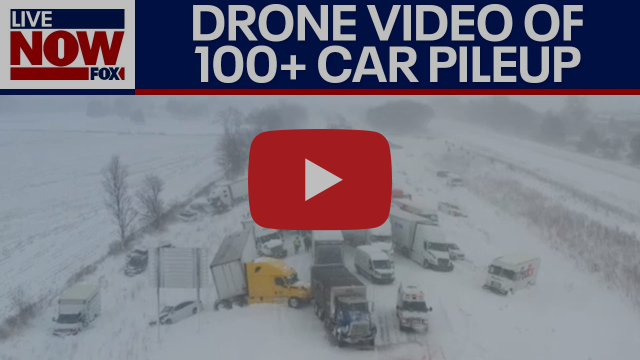
A 100-vehicle crash occurred Monday on snow-covered roads in northern Michigan as officials worked to clear the I-196 corridor. Michigan State Police reported numerous injuries, but none were believed to be fatal, as vehicles and 30–40 semi-trucks collided and slid off the roadway. The interstate remained closed for hours while crews responded and removed vehicles from the pileup. Authorities warned drivers to slow down in treacherous conditions as the winter storm continued, with blowing snow, up to 14 inches of snow in some areas, and wind chills expected to reach -8°F.
Winter is here: A guide to the nation’s tire chain laws
The Trucker | Jan 20, 2026
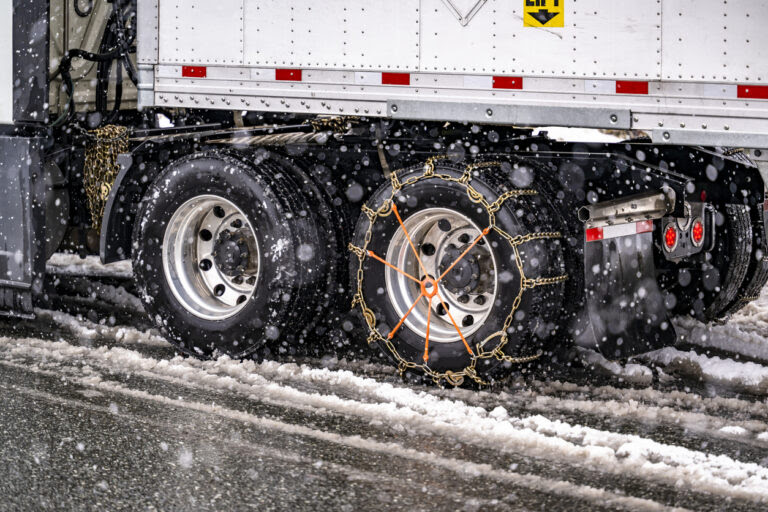
Across the U.S., tire chain requirements vary by state, but most allow chains when needed for safety on snow or ice and require them only when conditions become hazardous. Mountain and snow-prone states such as California, Colorado, Oregon, Washington, Utah, and Wyoming are more likely to enforce chain or traction rules during storms through posted signs or official restrictions, and commercial vehicles often face stricter carry and chain-up requirements than passenger cars. Some states also set specific seasonal windows for when chains are allowed or restricted, and several use multi-level systems to signal how severe conditions are and who must chain up. The bottom line is that drivers, especially those traveling through mountain corridors, should be prepared with proper traction equipment and check state DOT guidance before and during winter travel to avoid fines and prevent road closures. Click the link to see the full breakdown by state.
Interstate 80 reopens after pileup, but drivers urged to use caution
GrantNews | Jan 15, 2026
Interstate 80 East in Pennsylvania has reopened after a multi-vehicle crash involving tractor-trailers and passenger cars that closed the highway for several hours between Exit 53 (Knox) and Exit 60 (Shippenville), with multiple injuries reported. With more winter weather expected, PennDOT urged drivers to avoid unnecessary travel, slow down, increase following distance, watch for black ice, use headlights, avoid cruise control on snowy roads, keep a winter emergency kit and at least half a tank of gas, and fully clear snow and ice from your vehicle before driving.
Some metro Detroit communities aren’t plowing residential streets just yet
WXYZ | Jan 15, 2026
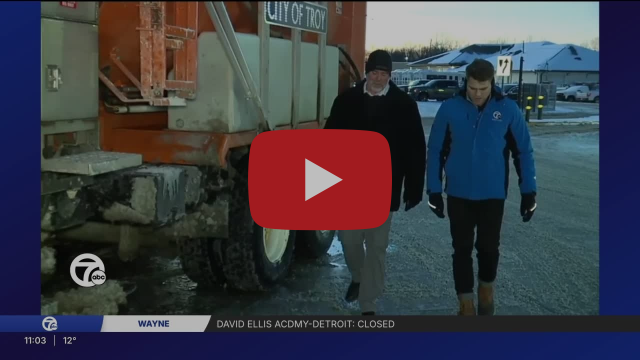
Metro Detroit cities are cleaning up after Wednesday’s snowstorm, but some communities are not plowing residential streets yet because they base their decisions on how much snow has accumulated on the roadway itself. In Troy, officials said neighborhood streets will not be plowed unless at least 4 inches of snow accumulate on the road surface. Crews believe current conditions are still passable, so they are focusing on salting instead. Residents questioned the policy and snow measurements, especially since snowfall totals reported elsewhere appeared higher than what road crews observed. City leaders said plowing neighborhood streets is costly and decisions must balance safety, road passability, and responsible spending, with more snow expected Friday, likely triggering residential plowing before the weekend.
Stay connected
Follow NCFOR to stay connected with the latest updates, insights, and resources that support safer, more reliable winter travel across the country. Your feedback and story submissions help us spotlight the trends and challenges that matter most and strengthen the nationwide network of professionals dedicated to keeping America’s roads open and safe all winter long.


